Infinity Across Cultures: The Symbol’s Many Faces
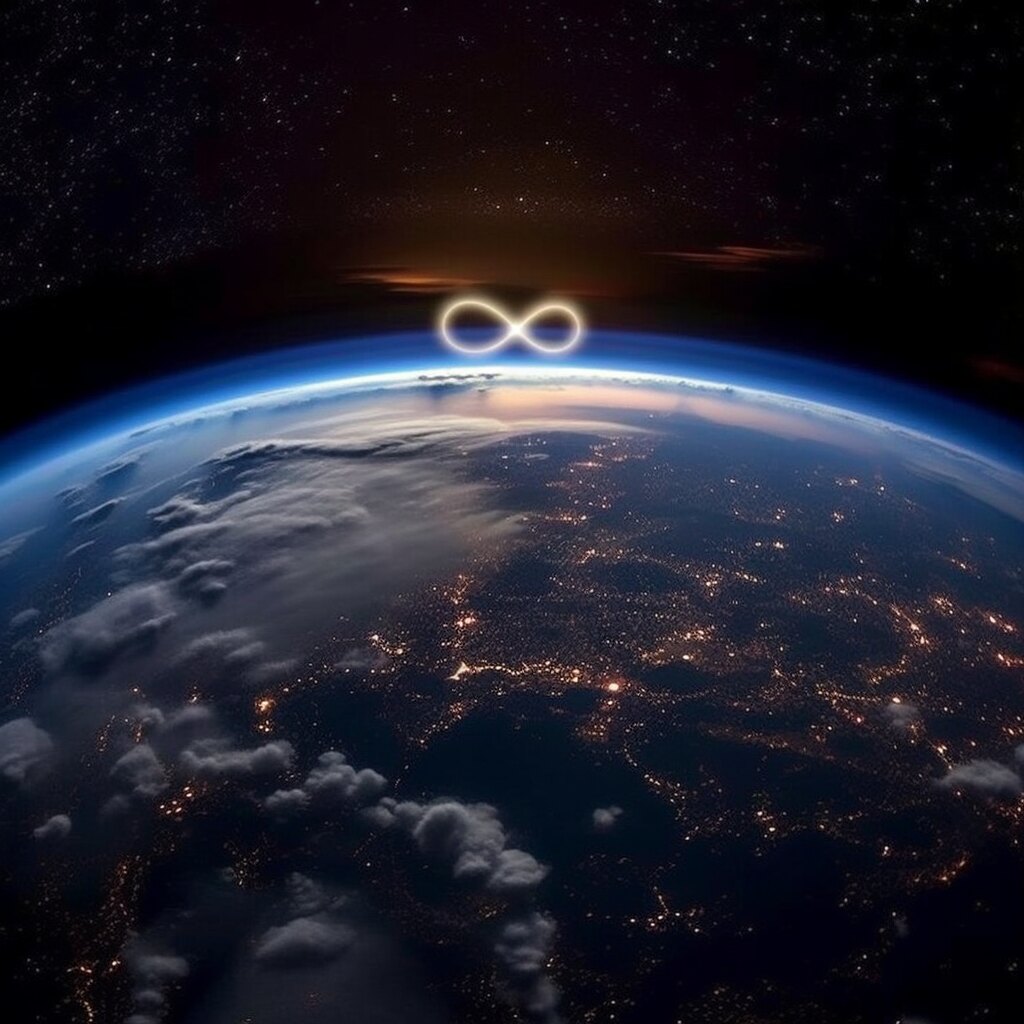
Long before the ∞ had its modern shape, cultures everywhere were already drawing eternity — serpents, endless knots, circles without end. A respectful tour of infinity around the world.
The modern infinity symbol is young — only a few centuries old. But the longing it captures is one of the oldest things about us. Across the world, different cultures found their own ways to draw the endless.
The serpent that eats its tail
The ouroboros — a snake or dragon curled into a loop, swallowing its own tail — appears in ancient Egypt, in Greek alchemy, and echoes in Norse stories of a great world-serpent. Wherever it shows up, it means the same thing: cycles with no end, endings folding back into beginnings.
The knot with no start
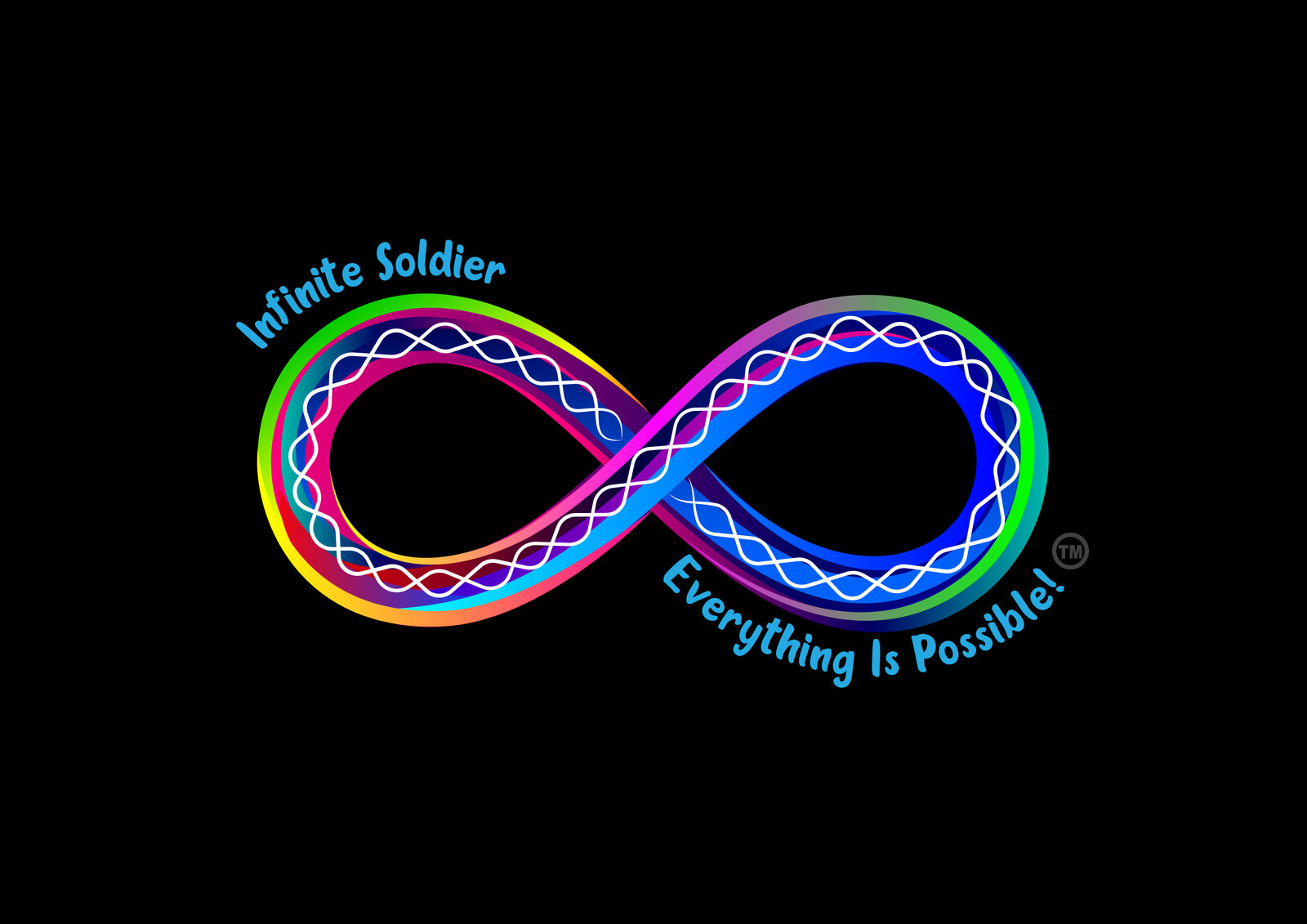
Many traditions drew the endless knot — an interwoven line with no visible beginning or end. You find versions of it in Celtic and in Buddhist art, where it speaks to eternal interconnection: everything tied to everything, on and on.
The circle and the line
And of course the simplest eternity of all — the circle, with no corner to start or stop at. The ∞ we use today is, in a sense, a circle that learned to cross itself: a lemniscate, a loop doubled. (For that part of the story, see our history of the infinity symbol.)
Different hands, different lands, one shared refusal to believe that anything truly ends.∞
It is humbling, and a little beautiful: the feeling behind Infinite Soldier isn’t new. People have been carrying it for as long as there have been people. We’re just giving it a home.
Everywhere humans have lived, they have reached for forever. ∞